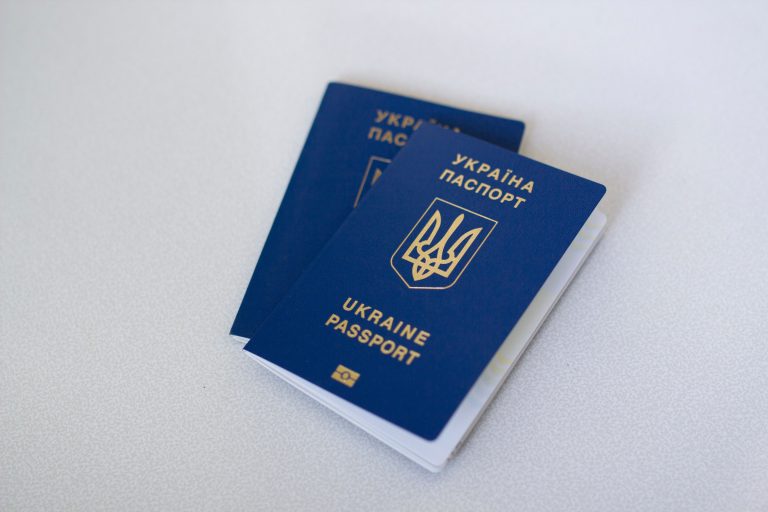
Do US citizens need a visa for Qatar?
US citizens can obtain a visa on arrival in Qatar, with a 30-day stay, and need no Qatar embassy visa in advance for that visit. The document list is the list stated for a US citizen applying for a Qatar visa. The arrival route and the advance-application route are different routes, and the list belongs to the application route.
- A valid passport with at least 6 months validity from the date of entry into Qatar.
- A properly completed Qatar Visa application form.
- 2 photocopies of the information page of your passport.
- Passport Photos that meet the government of Qatar’s requirements.
- Bank statement or proof of financial resources.
- Business introduction letter or letter of support.
- Proof of accommodation in Qatar, such as a hotel reservation or a letter of invitation from a sponsor.
For costs, see the Cost of Qatar Visa for a Qatar visa on arrival or an eVisa application. When you apply in advance, check Qatar visa status online.
For Indian nationals, the separate guide is Do Indians need visa for Qatar, before applying for a Qatar visa from India.
Qatar visa on arrival requirements for US citizens
- US citizens can enter Qatar without a visa for up to 30 days. A longer stay, or a stay for work, study, business, or residence in Qatar, means applying for the appropriate visa.
- Qatar offers various types of visas for US citizens, including tourist visas, business visas, work visas, family visas, and residence permits. Each type of visa has its own requirements and application procedures.
Related guides: Qatar Guides
30-day Qatar visa stay for US citizens
The visa on arrival is for a 30-day stay. That length is the stay stated for US citizens arriving under this route. Read it as a stay limit, not as a right to remain for any purpose. A visit that fits inside 30 days, for tourism or a short visit, is the case this route is described for. A longer stay, or a stay for work, study, business activity that goes beyond a visit, or residence in Qatar, is a different case. The appropriate visa must be applied for in those circumstances.
A 30-day arrival permission does not cover a purpose it was not described for. A purpose that changes after arrival, or a stay that needs to run longer than 30 days, means asking before the 30 days run out which extension or conversion route, if any, applies to the visa held. That question belongs to MOI and to the extension guide, not to an assumption made at the airport.
Visa categories change. A category that applied on one trip may not apply in the same form on the next. Before you travel, confirm the current on-arrival position for a US passport on the official MOI pages or the Visit Qatar information that Hukoomi points to for exempted nationalities, and confirm it again close to departure.
Seek confirmation on whether US citizens still enter on arrival, for how long, and on what conditions. An official answer that differs means the official answer governs. Keep the confirmation with your travel documents, together with your passport, so any question at check-in or at the border can be answered from the document in front of you rather than from memory.
Purpose of each document
The document list is written for a US citizen applying for a Qatar visa. Each item answers a different question the authorities ask.
A valid passport with at least 6 months validity from the date of entry into Qatar answers the identity and validity question. The 6-month rule is measured from entry, not from the date you apply. Check the expiry date against the entry date before you rely on it.
A properly completed Qatar visa application form answers the application question. A form with a blank field or an inconsistency is the kind of detail that delays a decision. Complete every field and check the form against the passport before submitting it.
2 photocopies of the information page of the passport are the copies the list asks for, in addition to the passport itself. Make the copies from the information page and keep the original passport available alongside them.
Passport photos that meet the government of Qatar requirements answer the identification question in a second form. A photo that does not meet the stated requirements can hold up an application that is otherwise complete. Use photos taken to the stated requirements rather than reusing an old photo.
A bank statement or proof of financial resources answers the means question: that the traveller can support the stay.
A business introduction letter or letter of support answers the purpose question for a business-related trip, by showing who is behind the visit and why it is being made. Proof of accommodation in Qatar, such as a hotel reservation or a letter of invitation from a sponsor, answers the stay question: where the traveller will be during the visit.
Each item is there for a reason. A missing item leaves its question unanswered.
On-arrival, eVisa and embassy routes
2 different ideas are easy to confuse. The first is visa on arrival: US citizens can obtain a visa on arrival, which removes the need to apply for a Qatar embassy visa in advance for the 30-day visit described here. The second is applying for a visa in advance, whether as an eVisa application online or through an embassy route. That is the route for travellers who do not qualify for arrival, or whose purpose needs a different visa type.
The cost guide and the visa status guide are the companions to either route: the cost guide sets out the costs by visa type so the choice can be made with the expense in view, and the status guide explains how to check an application that has been submitted in advance.
Travelling on arrival means no application number to check in advance. Applying in advance means checking the status online rather than assuming the application has been approved because time has passed.
Plans involving work, study, or residence mean the arrival route is not the route to rely on. Qatar offers various types of visas for US citizens, including tourist visas, business visas, work visas, family visas, and residence permits, and each type has its own requirements and application procedures.
A work visa, for example, will involve the employer and the residence process that follows entry, and a student visa will involve the institution and proof of study. Entering on a visit permission and treating it as a work or study permission does not hold. Start with the visa type that matches the real purpose, apply through the route that type requires, and keep the approval for that type before travelling for that purpose.
Travel checks before and after arrival
Before you travel, run through the list once more as a single check:
- Passport validity of at least 6 months from entry.
- Application form completed.
- Photocopies of the passport information page.
- Photos to the stated requirements.
- Proof of financial resources.
- Business letter or letter of support where the trip needs one.
- Proof of accommodation.
Add to that check the cost position from the cost guide, so the trip is planned with both documents and expenses in view.
A missing item means resolving it before departure. A document that can be produced at home cannot always be produced at the border.
- After you arrive, keep the entry permission with your passport and note the date by which you must leave or extend.
- A stay that needs to be longer means asking about extension before the permission expires, using the extension guide and the official Hukoomi extension service, which states that extension depends on whether the visa concerned is extendable.
- Overstaying and assuming a fine settles it afterwards is not the position: the overstay fine service states QR200 per day, and an overstay record is a worse position than a timely extension request.
- A trip turning into a longer stay for work or family reasons means the family and residence guides explain the separate routes that apply, and the sponsor, whether employer or family sponsor, is the person who holds the application for those routes.
The arrival permission gets you into Qatar for the visit. The right visa, applied for in advance, is what supports a longer or different stay.